Material
OriginFibres are sourced with climate in mind: airy cottons for plains, soft wools for northern mornings, viscose blends for quick-dry commutes.
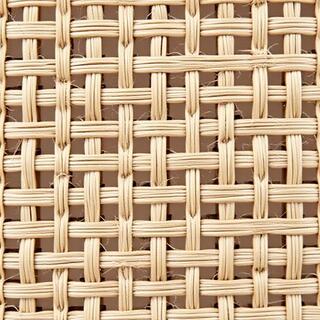

Craft · Breathability · Poise
Brimline blends handloom character with city-ready silhouettes: airy cotton caps for humid commutes, soft wool fedoras for Delhi’s crisp mornings, silk-blend scarves for monsoon nights, and pashmina light enough for hill-station winds. Every edge, fold, tassel and brim is refined to sit beautifully and wear comfortably — from Bandra cafés to Bengaluru tech parks.
Explore textures you can feel: nuanced twills, tight ribs, brushed flannels and luminous satin weaves — all designed to frame the face and layer with ease across India’s changing climates and cultures.
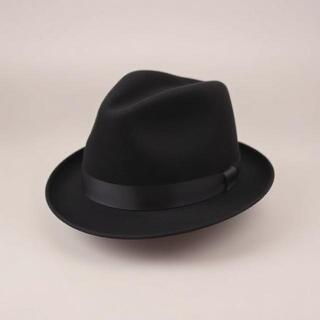
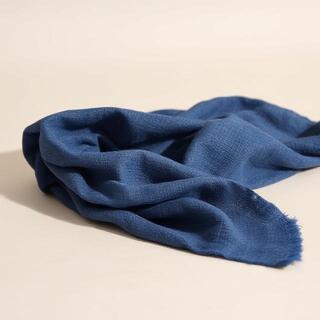
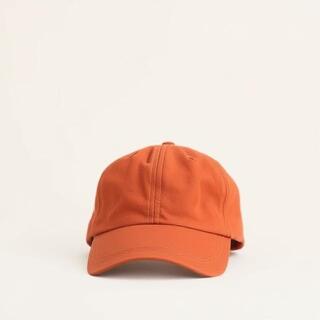
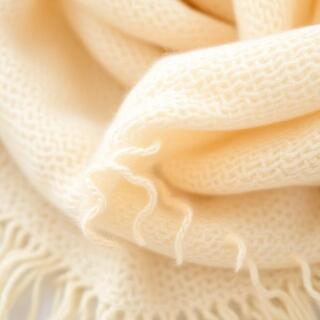
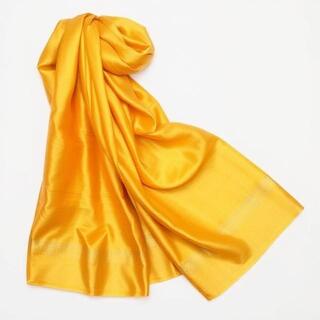
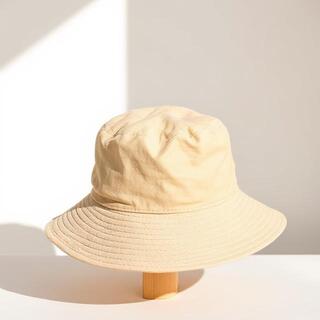
Textures shape comfort. Our atlas maps handfeel to climate: twill for resilient drape, gauze for breathability, flannel for softness, and satin for luminous wraps on festive nights.

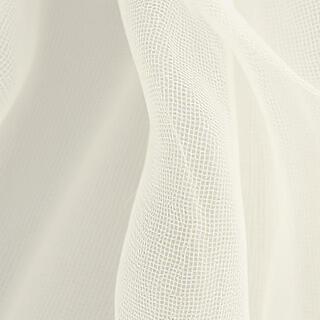


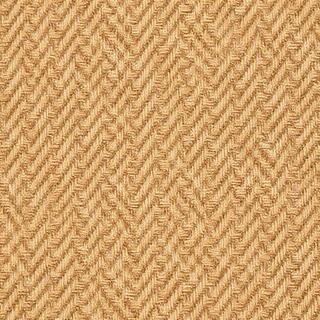
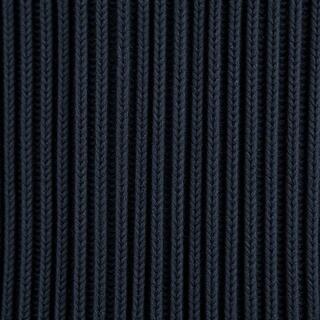
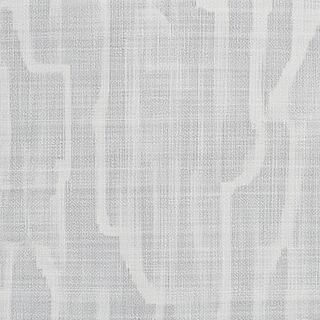
Slide to compare fabrics. See how quick-dry scarves shed monsoon moisture, how brushed wool traps warmth, and how mulmul breathes in high noon heat.
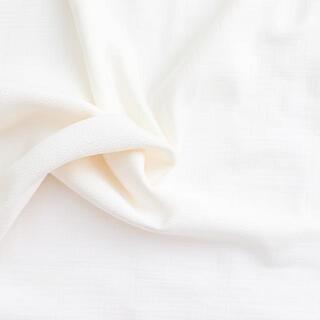
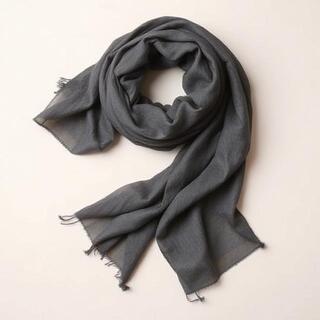
Monsoon: cotton vs. quick-dry viscose.
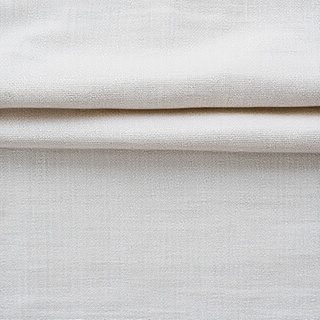
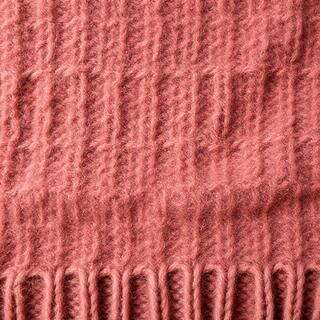
Winter: linen vs. brushed wool.

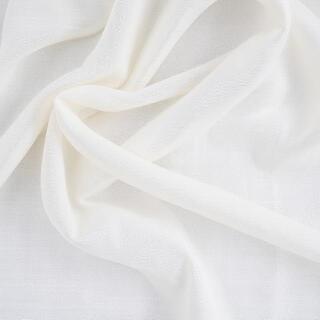
High noon: poplin vs. mulmul cotton.
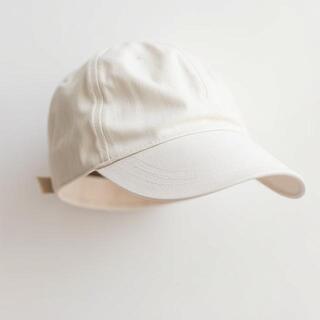
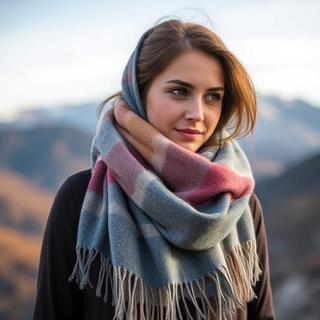

A hat balances shade, airflow and posture. Use the controls to feel how brim width, crown height and tilt change comfort from Chennai’s noon glare to Shimla’s morning breeze. We model the silhouette for clear line-of-sight, neck freedom, and scarf compatibility.
Tip: In monsoon, a mid brim with a slight tilt sheds water while keeping the collar dry. For metro commutes, a low crown reduces snagging in crowded coaches.
Five drapes to cover India’s day: a quick loop for office AC, a wind-stable knot for scooters, and a festive fall for evening light. Each pattern lists climate, fabric and outfit pairings—so your scarf works with the hat rather than fighting it.
Best for: humid coastal air, open-plan offices, frequent on/off.
Fabric: mulmul or fine gauze. Hats: cap, panama.
Why it works: loop spacing channels sweat vapor away from the neck.
Best for: Delhi winter mornings, metro drafts, light fog.
Fabric: brushed wool or flannel. Hats: fedora, trilby.
Why it works: a single wrap warms the carotid zone without bulk.
Best for: sea breeze, scooters, evening spritz.
Fabric: viscose or satin-blend. Hats: bucket, wide brim.
Why it works: lateral knot resists gusts without pressing on the throat.
Best for: celebrations, warm evenings, photo-forward outfits.
Fabric: satin or chanderi. Hats: cloche, beret.
Why it works: twist adds depth; gravity creates clean vertical lines.
Best for: mid-day heat, tech park walks, café patios.
Fabric: cotton poplin or pique. Hats: cap, panama.
Why it works: the tunnel vents warm air upwards, preventing sweat pooling.
India shifts every few hundred kilometres. Pair your hat and scarf to the city’s rhythm—humidity, wind corridors, altitude and evening temperature swings. These notes tune comfort without overpacking.
Feel: humid, salt breeze, sudden showers.
Wear: panama or bucket; mulmul or viscose wraps.
Why: open weaves and short brims keep sightlines clear on local trains; quick-dry fabric saves bag space.
Feel: mild days, evening drizzle, office AC.
Wear: cap or bucket; poplin band or light gauze.
Why: layered lightness adapts from scooter rides to meeting rooms.
Feel: crisp winters, foggy mornings, dry heat in May.
Wear: fedora or trilby; flannel or wool blend.
Why: structured crowns lift air off the scalp; brushed fibers trap warmth without bulk.
Feel: humid monsoon, cultural evenings.
Wear: panama; chanderi/satin for events, gauze for day.
Why: sheen suits festive light; gauze manages daytime stickiness.
Feel: altitude chill, bright sun, evening drop.
Wear: wide brim or beanie; pashmina light.
Why: brim shields glare; fine pashmina warms without stifling afternoon walks.
A transparent path from yarn to you. Materials, dyes, weaves and finishes— logged like a studio ledger so you feel the story in every fold and brim.
Fibres are sourced with climate in mind: airy cottons for plains, soft wools for northern mornings, viscose blends for quick-dry commutes.
From madder and marigold hues to business-neutrals, palettes are tuned to Indian light—warm, high-contrast, photo-friendly.

Hand-rolled edges reduce bulk at the collar; brushed finishes soften fibres while keeping drape clean over the shoulders.
A good fit frames the face and keeps airflow steady. Pick your face shape to get brim and wrap suggestions—then measure once and forget.
Balanced proportions. Most brims work: try fedora (mid brim) or panama. Wraps: loose daily loop.
Add height and gentle angles: crown a touch taller, brim not too wide. Wraps: V-shaped drape to elongate.
Soften lines: rounded crowns, slightly curved brims. Wraps: flowing gauze with asymmetry.
Balance upper width with mid brim, avoid narrow brims. Wraps: volume below collarbone.

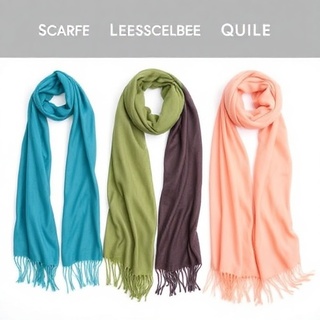
We stress-test wraps and brims for Indian monsoons. Watch bead-off, wind stability and dry time—then pick your commuter kit with confidence.
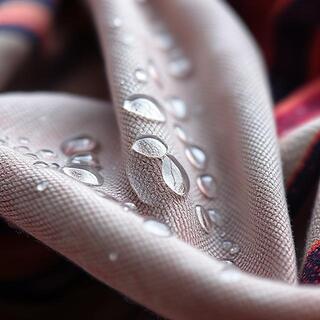
Water beads and rolls with a single shake. Ideal for coastal commutes.
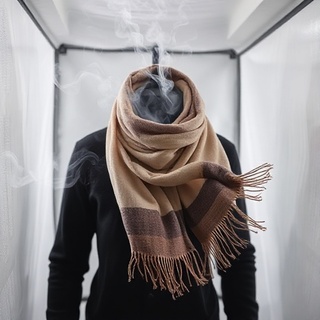
Side knot resists gusts without pressing the airway.
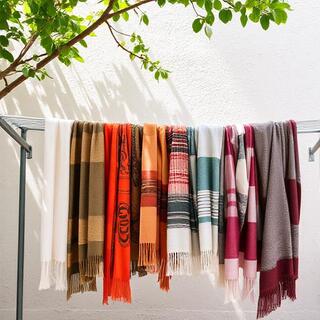
Viscose blends lead; wool requires gentle squeeze, never wring.
Long life is daily habit: light brush after wear, gentle handwash when needed, and storage that protects crown and weave memory.
Use a soft brush to lift dust along the grain. For scarves, palm-smooth fibres to reset drape.
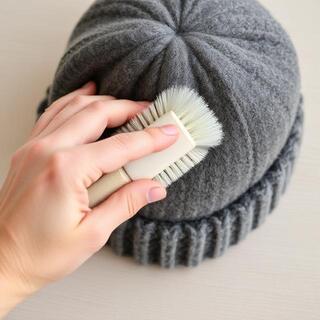
Fold along seam memory; avoid tight rolls that crease edges. Keep sachets nearby, never on fabric.
Clear sizing, simple returns, and delivery tuned to Indian cities. Here’s how to pick a size once, receive fast, and exchange without stress.
Measure your head circumference at eyebrow level. If you’re between sizes, choose the larger: brims sit truer in heat when hair volume changes. Scarves: pick length near your sternum for office; below the navel for winter wraps.

Metro deliveries (Delhi, Mumbai, Bengaluru, Kolkata, Chennai, Hyderabad): 2–4 working days. Tier-2 cities: 3–6 days. Exchanges: keep tags attached and folds clean; we’ll arrange a doorstep pickup.

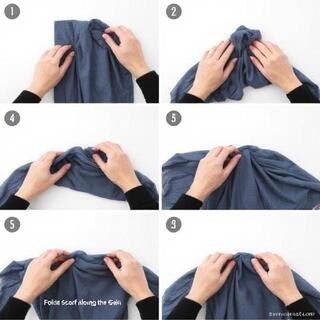
Three small moves that add years: flatten, roll, steam—done gently and in the right order.
Lay scarf face-down, fold edge to edge along the grain, then in thirds. Avoid corner-to-corner folds—those make diagonal creases.
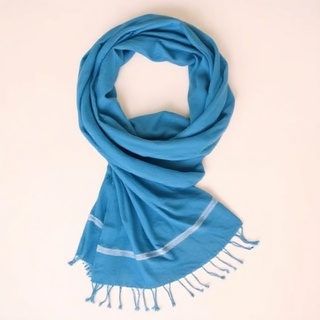
Roll around your hand like a pastry—loose, not tight. Store upright in a breathable sleeve to keep the sheen unbroken.
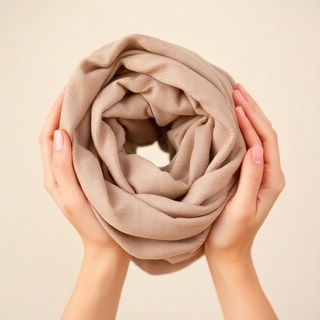
Hang in a bathroom or use a handheld steamer at 20–25 cm. Palm-smooth after each pass; never press the nozzle on fabric.

No—use low steam and hand shape while warm. A hot iron flattens edge memory.
Spot clean first. Full handwash only when needed; most fibres prefer airing in shade after wear.
Fill the crown with socks, place brim-up in luggage; scarves go rolled in breathable sleeves along the sides.
Whether you're curating a space, planning a gift, or just want to say hello — leave a note and we’ll reply with care and clarity.
We usually reply within 1–2 business days for metro cities in India.